• Daily Briefing
  • Home
    • Who We Are
    • Board of Directors
    • Finance Report
    • Privacy and Disclaimer
  • Library
  • Passageway
  • Contact
  • Donate
Menu

Rosenthal Center for Addiction Studies

Street Address
City, State, Zip
Phone Number

Rosenthal Center for AddictIon Studies

Rosenthal Center for Addiction Studies

  • Daily Briefing
  • Home
  • About
    • Who We Are
    • Board of Directors
    • Finance Report
    • Privacy and Disclaimer
  • Library
  • Passageway
  • Contact
  • Donate

ROSENTHAL REPORT - DECEMBER 2021

November 30, 2021 Rosenthal Center

We urgently need leadership as U.S. drug deaths soar to record levels

A year ago, public health officials noticed a troubling uptick in drug overdose deaths due in large part to the stress and isolation of COVID-19 and subsequent difficulties for substance users to access appropriate treatment. At the same time, street dealers flooded the market with the powerful synthetic opioid fentanyl, often selling counterfeit versions of it as well as well as such medications as oxycodone and Xanax laced with the drug. Unaware that their pills had been tainted, many users died quickly from the fast-acting fentanyl, which is up to 100 times more potent than morphine. New federal data released this month reflects this perfect storm of despair and lethal drugs: More than 100,000 Americans died in the yearlong period ending in April—a 30 percent increase over that same timeframe in 2020—the highest number of year-on-year drug-related deaths ever recorded in the country. 

While the statistics are still provisional, they are a grim reminder of the extent of the crisis. Overall, the number of annual overdoses has doubled since 2015; today, more people die from drug deaths than from car accidents and gun violence combined. A majority of the fatalities—about 70 percent—occur among those in their prime age of 25 to 55. Some states were particularly hard hit. Year-on-year increases exceeded 50 percent in California and several states in Appalachia, including West Virginia and Kentucky, where the epidemic originated. Meanwhile, deaths from methamphetamines, cocaine, as well as prescription medications—often taken together—also rose.

Yet, even with 275 Americans dying every day from drug overdose, government leaders offer little more than platitudes. Reacting to the new data, President Biden simply claimed  “we cannot overlook this epidemic of loss,” while Health and Human Services Secretary Xavier Becerra stated the obvious: “It’s time to face the fact that this crisis is getting worse.” 

The Biden administration’s drug plan, which is backed by an additional $1.3 billion in new funding from the American Rescue Act, includes measures to remove barriers to treatment and reduce opioid prescribing, as well as expand interdiction and harm reduction strategies. (More money may also be coming from opioid litigation settlements, although this is now in jeopardy due to recent judicial rulings.) 

Given the magnitude of this dire public health crisis, much more needs to be done. First, we need strong leadership and a massive infusion of money and other resources. Equally important is a clear strategy that engages users—on the streets, in prisons and emergency rooms, and in drug courts and at needle exchange sites—and leads them into effective treatment programs. 


In Rosenthal Reports

Dr. Mitch Rosenthal Calls for National Treatment Program to Prevent Additional Opioid Deaths

November 30, 2021 Rosenthal Center
In Videos

Dr. Mitch Rosenthal on the Role of Fentanyl in America's Drug Crisis

November 22, 2021 Rosenthal Center
In Videos

Dr. Mitch Rosenthal on Drug Overdose Deaths Reaching Record High

November 18, 2021 Rosenthal Center

Dr. Mitch Rosenthal on Marijuana Use Among Pregnant People

November 12, 2021 Rosenthal Center
In Videos

Dr. Mitch Rosenthal on the Teen Vaping Crisis in America

November 1, 2021 Rosenthal Center
In Videos

ROSENTHAL REPORT- NOVEMBER 2021

October 31, 2021 Rosenthal Center

The Rosenthal Report, published each month by the Rosenthal Center for Addiction Studies, brings its readers insights and commentary on current issues of drug use.

Opioids, Meth and Vaping Pose a Triple Threat to Public Health

The nation’s overdose epidemic is worsening, with prescription opioids and synthetic opioids such as fentanyl accounting for a majority of the nearly 97,000 fatalities between March 2020 and March 2021. Yet, tragically, opioids are not the only drug crisis afflicting the country: We are also dealing with a surge in methamphetamine use, as well as an ongoing vaping epidemic among young people. There are no easy solutions to these complex and deeply rooted crises, but we can take steps to mitigate the damage and implement workable strategies.

As the number of overdoses escalates, city and state governments are coming under pressure to introduce harm-reduction measures, such as safe syringe sites, to help reduce fatalities. Such facilities—where addicts can use in a secure, controlled environment, with trained personnel and overdose-reversal drugs on hand—are controversial. Currently illegal in the U.S., safe sites have operated abroad for many years, with evidence suggesting that they reduce fatalities, slow the spread of infectious diseases from intravenous drug use, and most importantly, help patients get into long-term treatment.   

For the U.S., an important element is whether safe sites would require mandatory treatment, as without it, substance users would simply return to the streets and back to a life of drug use. Despite legal obstacles, some states—including Rhode Island, Massachusetts and California—are considering pilot studies to test the concept of safe sites. This could provide valuable data on their impact, and hopefully offer insights into how they might be designed to best facilitate treatment.

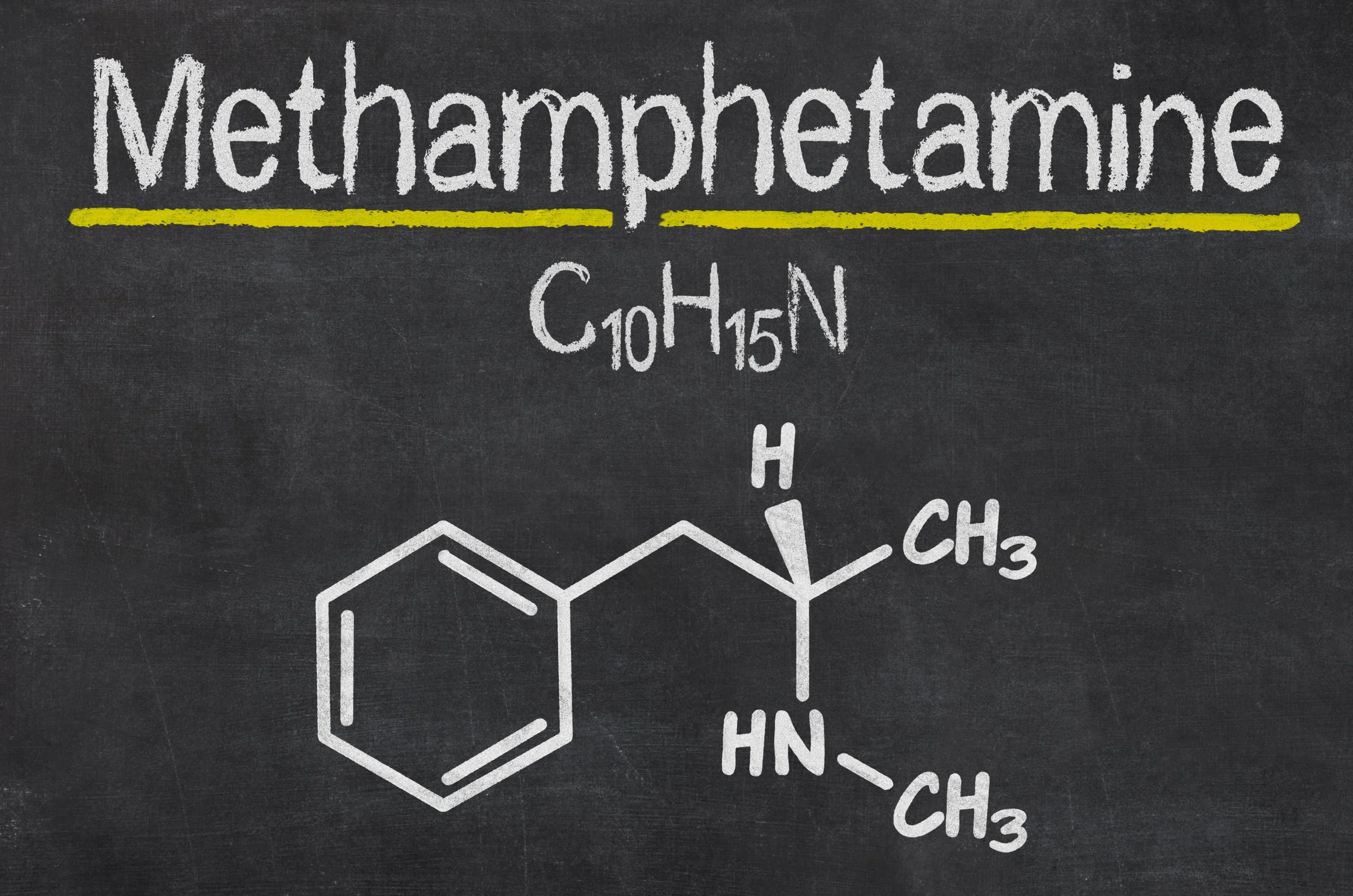
In the shadow of the opioid epidemic, we are also seeing an alarming increase in the use of methamphetamines, including a new and more powerful variant of the drug known as P2P. Mainly produced by drug cartels in Mexico, P2P has replaced the revenue they’ve lost from the legalization of marijuana in many U.S. states, and is now found in virtually every corner of the country. According to a recent article in The Atlantic, P2P’s use is widespread among the growing homeless population, especially in California, as well as by those addicted to opioids who are being treated with medications that reduce their cravings but don’t get them high. Meth is a highly addictive stimulant that contributes to mental illness and physical decline. And while there is no specific medication to treat meth addiction, behavioral therapies have shown to be effective.   

The third crisis concerns vaping: Roughly 20 percent of high school students and 5 percent of middle school students use e-cigarettes on a regular basis, and the number of adolescents who vape cannabis has doubled between 2013 and 2020.  

First introduced about a decade ago as a smoking-cessation tool, e-cigarettes today are only lightly regulated, allowing manufacturers to market them to young people using whimsical names and fruity flavors (about 80 percent of middle and high school students who vape prefer flavored varieties). Yet, the Food and Drug Administration has been disappointingly slow to take on the vaping industry, much of it now controlled by Big Tobacco. Without swift action—including a total ban on all flavored products—we are in danger of ensnaring a new generation in nicotine addiction, after years of declining tobacco cigarette use among this age group. 

Taken together, these crises pose unprecedented challenges to our national public health, as they impact every region, age group and population. But we have the resources and expertise to face these drug threats. And with the right leadership, we can bring them under control.

In Rosenthal Reports

Dr. Mitch Rosenthal on the Methamphetamine Crisis in America

October 25, 2021 Rosenthal Center
In Videos

Dr. Mitch Rosenthal on the Risks Vaping Still Poses for Kids

October 19, 2021 Rosenthal Center
In Videos

Dr. Mitch Rosenthal: Money from Opioid Settlements Should Be Used to Expand Treatment

October 13, 2021 Rosenthal Center
Justice scale.jpg
In Videos

Dr. Mitch Rosenthal on the Fentanyl Crisis in the United States

October 4, 2021 Rosenthal Center
shutterstock_1599908854.jpg
In Videos

ROSENTHAL REPORT - OCTOBER 2021

October 1, 2021 Rosenthal Center
Oct. RR.jpg

A recent thought-provoking op-ed in the Baltimore Sun caught my eye, as it focused on an assumption that is routinely accepted as fact: Marijuana is safe and effective for treating a wide range of serious medical conditions. This belief has helped pro-pot forces legalize medical marijuana in 37 states—compared with 19 states that have legalized adult-use recreational cannabis—and convince many states that already permit it to significantly expand the number of conditions for which a physician may certify or recommend (not prescribe) its use. For example, when New York legalized recreational marijuana earlier this year, it added Alzheimer’s disease to the list, despite the Alzheimer’s Society affirming that “there are no research studies that prove cannabis, or products such as CBD oil can stop, slow, reverse or prevent the diseases that cause dementia.”

As the op-ed points out, just because a state allows that cannabis is a medicine doesn’t mean it actually is one in the same way a medication is sold in a pharmacy by a licensed pharmacist, in a plain bottle, and with clear indications about interactions and potential side effects based on clinical trials. By comparison, colorfully packaged and whimsically named marijuana products (including Sour Diesel, Skunk Plus and Gorilla Glue) are sold in dispensaries by “budtenders” who often recommend medical cannabis products based on “personal and coworker experience” rather than any scientific knowledge or insight into a patient’s medical history, according to a recent study published in JAMA Network. What’s more, few budtenders mention possible cannabis-related risks such as psychotic episodes, cannabis-use disorder, or cannabis withdrawal symptoms, the study reported.

There are several FDA-approved cannabis-derived medications, such as Marinol to treat severe nausea caused by cancer chemotherapy, and Epidiolex for two rare forms of epilepsy. Preliminary studies along with anecdotal evidence suggest that medical cannabis products may help patients with chronic pain, insomnia, and symptoms of PTSD, depression, and anxiety. Yet the efficacy of the vast majority of the products currently on sale is not yet known. Each state has come up with its own list of approved conditions for medical marijuana, ranging from anorexia and arthritis to migraines, Crohn’s disease, and hepatitis C. State health departments make these decisions, although the criteria and approval processes vary—and these officials also regularly come under pressure from the powerful cannabis industry to add ailments in order to expand their market.

Once again, commercialization is racing ahead of science. We are at a very early stage researching medical marijuana. Long-term clinical studies are required to determine the potential benefits—and harms—of these drugs, and this would be easier if federal laws were modified to allow such studies to go ahead. Physicians need more information about these products before they counsel patients (most states only require that they take a special course). And finally, to protect consumers as legalization continues and more and more patients seek relief through medical cannabis, we need clear marketing guidelines, industry oversight, and testing procedures that are just as rigorous as for other medicines.

Justice Department Looks to Stop Purdue Opioid Settlement that Shields Sackler Family

September 29, 2021 Rosenthal Center
Video 9.29.21.jpg
In Videos

Dr. Mitch Rosenthal on the Medical Marijuana Situation in the United States

September 27, 2021 Rosenthal Center
medical Cannabis.jpg
In Videos

Dr. Mitch Rosenthal on the Anger of Victims' Families over the Purdue Opioid Settlement

September 14, 2021 Rosenthal Center
Gavel.jpg
In Videos

ROSENTHAL REPORT - SEPTEMBER 2021

August 31, 2021 Rosenthal Center
Sept RR Image.jpg

New York Has a New Governor. Will the State’s Drug Policy Change Too?

New York’s new governor, Kathy Hochul, who succeeded Andrew Cuomo at the end of August, is a western New Yorker with centrist Democratic roots. She’s also well acquainted with the state’s drug policy, having been dispatched by the former governor on a “listening tour” to better understand the opioid epidemic and the challenges of addiction. In the lead up her swearing-in, Hochul promised to pay more attention to the epidemic and the state’s surge in overdose deaths than Cuomo did during his decade in Albany.

Hochul comes to office with a unique advantage: a funding windfall from opioid litigation settlements—$1.1 billion alone from drug distributors—and such other resources as the expected doubling of the federal block grant to around $200 million. Exactly how should that money be allocated?

The priority must be an all-out effort to confront the opioid epidemic by significantly expanding the full range of treatment options, with a particular focus on long-term residential programs. This initiative should also include harm-reduction strategies, medication-assisted treatment, and addiction programs in prisons and jails where overdoses are soaring and treatment options are sorely lacking. Concerning marijuana, Hochul should look at revising some provisions of the state’s legalization law, adding caps and labeling requirements for the psychoactive component THC, and extending the rushed, year-end deadline for municipalities to opt out of allowing cannabis businesses.

Marijuana Legalization Is Very Popular—Until It Isn’t

Cannabis-reform advocates routinely point to polls showing broad popular support for marijuana legalization—and they’re right, as a majority of Americans do want legal access to the drug. This support has helped propel the legalization of both medical and recreational marijuana. Yet, a funny thing often ends up happening: Given a chance to opt-out of allowing cannabis businesses to operate locally under legalization laws, municipal officials subsequently say “no.”

The pattern has become common for a majority of localities, even in such pro-pot states as California and Oregon. Now, some 70 percent of towns in newly legal New Jersey have rejected an array of cannabis businesses including shops, cultivation facilities, and distribution warehouses.

Towns that say no can later reverse that decision. But it’s never an easy decision, as opting out means forfeiting potential tax revenues from cannabis sales. These communities are also wary of the realities of a cannabis market, with many officials saying such businesses will adversely affect young people. In Bergen County, for example, 10 contiguous towns agreed to ban cannabis stores, in part because they would be located near residential neighborhoods and public places frequented by children. Larger cities including Newark and Atlantic City will allow cannabis businesses, but other locations that voted overwhelmingly in favor of legalization have reversed course and are opting out.

The right strategy is to decriminalize low-level possession—no individual should be arrested for using marijuana—and impose heavy regulations to protect public health. But with legalization moving ahead rapidly in states, and Democrats in Congress urging an end to federal prohibition, politicians should be well aware of such intense misgivings on the local level. They must craft laws, rules, and guidelines that take into account the legitimate risks and dangers associated with marijuana legalization.

In Rosenthal Reports

Dr. Mitch Rosenthal on New York State Drug Policy Under Governor Kathy Hochul

August 30, 2021 Rosenthal Center
Brian Benjamin.jpg
In Videos

Dr. Mitch Rosenthal on More Americans Consuming Marijuana Than Ever Before

August 23, 2021 Rosenthal Center
shutterstock_603180689.jpg
In Videos

Dr. Mitch Rosenthal on British Columbia's Troubling Drug Policy

August 9, 2021 Rosenthal Center
shutterstock_686792212.jpg
In Videos

The meager opioid settlement won't solve the addiction crisis — it needs federal funding

August 9, 2021 Rosenthal Center
The Hill.jpg

BY DR. MITCHELL S. ROSENTHAL, OPINION CONTRIBUTOR — 08/04/21 10:31 AM EDT THE VIEWS EXPRESSED BY CONTRIBUTORS ARE THEIR OWN AND NOT THE VIEW OF THE HILL

The $26 billion opioid settlement reached in late July has been described by many as a landmark achievement that will resolve many of the thousands of lawsuits against the opioid industry. If approved, the deal between the states and the country’s three largest drug distributors and drugmaker Johnson & Johnson would also provide a steady low of much- needed funding for addiction services over the next 18 years.

That sounds at first like a lot of money. Yet, given the scope of the nation’s severe addiction crisis, the settlement amount is woefully inadequate. After all, states, cities, counties and other jurisdictions brought the lawsuits, so the money would be divided among dozens of claimants and parceled out over nearly two decades. This, at a time when the worsening drug epidemic is devastating every corner of the country.

A record 93,000 Americans died last year from drug overdose, mostly opioid-related. More than 500,000 have died over the past two decades. Today, the epidemic is sweeping through Black and Hispanic populations, and threatening inmates in prisons and jails more than ever. Overdose deaths from methamphetamines and other stimulants, in addition to synthetic opioids such as fentanyl, have also reached record levels.

As it stands, compared with the $206 billion tobacco company settlement in 1998, the multibillion-dollar opioid industry — which, according to the lawsuits, underplayed the addictiveness of its products while deploying devious tactics to encourage their use, thereby contributing to the epidemic — appears to be getting off easy.

Under the terms of the proposed agreement, compensation would be directed toward addiction services, with nothing going to the victims’ families, and the companies would not have to admit responsibility for their role in the epidemic — including, for example, drug distributors that shipped 81 million doses of an addictive prescription painkiller to just one small city in West Virginia.

The four companies, which funneled an estimated $100 billion combined to shareholders through stock buybacks and dividends as thousands of people died, would also be shielded from any further prosecution and liabilities.

This puts the states in a terrible bind: Faced with an escalating drug crisis, they desperately need more money now to signicantly scale up services curtailed due to budget cuts during the COVID-19 pandemic. They want to hold the industry accountable, but if too many parties back out, the overall amount could be reduced or the deal scuttled altogether. So far, Washington and West Virginia have rejected the settlement, as has the city of Philadelphia.

Thousands of other opioid lawsuits — in particular, against giant pharmacy chains — as well as the proposed $4.5 billion settlement of litigation against opioid maker Purdue Pharma, could eventually boost the total compensation, or lead to a bigger global settlement.

There is another solution — one that would start funds lowing while opening the way for a more comprehensive and robust solution: Accept the meager $26 billion and other settlement deals to come on the condition that the federal government step in with additional support such that a total level of $125 billion is made available over the next decade. That’s the amount then-candidate Joe Biden promised for the opioid epidemic during his presidential campaign.

The Biden administration has already requested $10.7 billion from Congress in its 2022 budget proposal to fight the opioid epidemic, but we need much more so that anyone struggling with substance use can access treatment. While the legal settlements on the table are far from perfect, when combined with a government funding boost it would together provide resources on a massive scale the crisis deserves.

Mitchell S. Rosenthal, M.D., is a psychiatrist who founded Phoenix House, the national substance abuse treatment organization, and is now president of The Rosenthal Center for Addiction Studies in New York City.

In The Hill
← Newer Posts Older Posts →
Support Us Today

©Rosenthal center for addiction studies